



What is the macrobiotic diet? Benefits and mistakes.
Macrobiotic eating is a diet that prioritizes natural, nutritionally balanced foods to improve health, support digestion, and prevent disease. This article shares the concept, benefits, and common mistakes beginners make when starting a macrobiotic diet.
What Is a Macrobiotic Diet? Benefits and Common Mistakes Beginners Often Make
“Ăn thực dưỡng,” also known as the macrobiotic diet, is becoming one of the most popular healthy eating trends today. You may have heard many positive claims or different stories about how macrobiotics can improve health, support weight management, or even “detox” the body. But what exactly is a macrobiotic diet, and is it right for you—especially if you are just getting started?
In this article, we will explore:
- What a macrobiotic diet is
- The health benefits of macrobiotics
- Common beginner mistakes and how to avoid them
- How to build a balanced macrobiotic meal plan
- Practical tips for following macrobiotics effectively
1. What Is a Macrobiotic Diet?
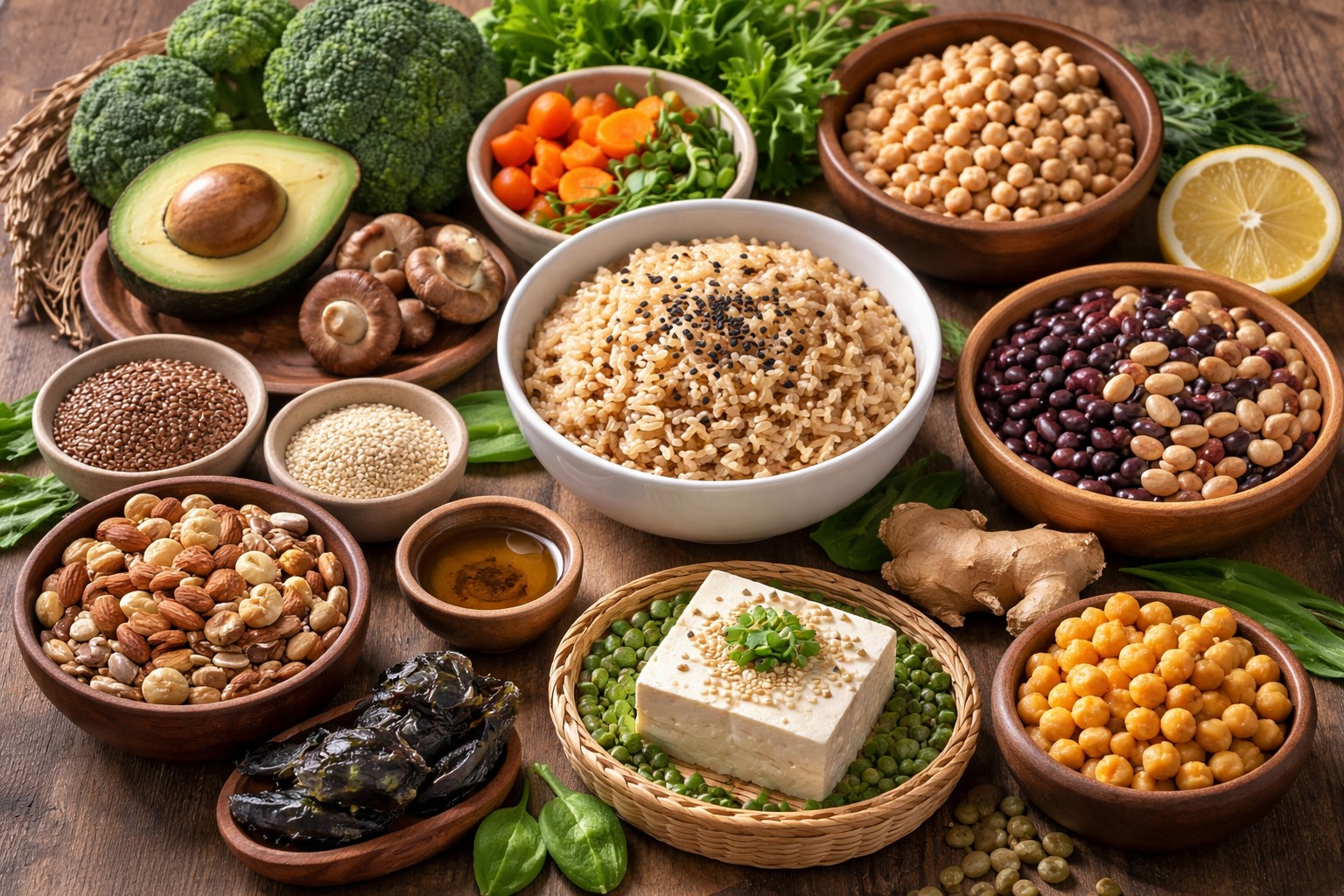
A macrobiotic diet originates from the Eastern philosophy of yin–yang balance and has evolved into a dietary approach that emphasizes whole, minimally processed foods that are local and seasonal. This way of eating particularly focuses on:
Prioritizing whole grains such as brown rice, oats, barley, and similar grains
Eating seasonal vegetables and fruits with a wide range of colors and fiber
Incorporating beans, legumes, mushrooms, seaweed, and fermented foods like miso to supply essential micronutrients
Limiting or completely avoiding processed foods, refined sugar, dairy products, red meat, and saturated fats
Encouraging traditional cooking methods such as steaming, boiling, and slow simmering to preserve natural nutrients
Beyond being just a “diet,” macrobiotics is also a mindful lifestyle—paying attention to each meal, chewing thoroughly, eating slowly, and reconnecting with the body’s true nutritional needs.
2. Benefits of a Macrobiotic Diet
When practiced correctly and in balance, a macrobiotic diet can bring many notable health benefits, both physically and mentally—especially for beginners looking to improve their eating habits.
2.1. Supports Digestion and Gut Health
Macrobiotics emphasizes fiber-rich foods and natural probiotics from vegetables, legumes, and fermented foods like miso. Fiber helps the digestive system work more efficiently, reduces constipation, supports weight management, and nourishes a healthier gut microbiome.
2.2. Reduces the Risk of Chronic Diseases
This diet typically lowers intake of saturated fats, refined sugar, and processed foods while increasing vegetables and whole grains. As a result, it can help reduce bad cholesterol, support blood sugar control, and potentially lower the risk of cardiovascular disease and type 2 diabetes.
2.3. Supports Weight Management
Macrobiotic meals are rich in fiber and complex carbohydrates, helping you feel full longer and reduce snacking and sugar cravings—one of the main contributors to weight gain.
2.4. Encourages Seasonal and Local Eating
Macrobiotics promotes eating fresh, seasonal, and locally sourced foods, which helps diversify micronutrients and reduce environmental impact while supporting a more natural nutritional cycle.
2.5. Cultivates Mindful Eating Habits
Macrobiotics is not only about what you eat, but how you eat—slowing down, chewing well, and listening to your body. This helps prevent overeating, improves digestion, and builds long-term healthy habits.
3. Common Mistakes Beginners Make When Starting Macrobiotics
Despite its benefits, beginners often make certain mistakes that reduce effectiveness or negatively impact health. Here are common pitfalls to avoid:
3.1. Over-Restricting Too Quickly
A common mistake is completely eliminating familiar foods (such as dairy, meat, or eggs) in the very first week, which can cause sudden energy loss. Instead, reduce these foods gradually and replace them with healthier alternatives so your body can adapt more easily.
3.2. Ignoring Protein and Essential Vitamins
Because macrobiotics often limits animal products, there is a higher risk of deficiencies in protein, vitamin B12, calcium, or iron if not properly planned. Nutrition experts warn that shortages of these nutrients can affect muscle health, energy levels, and nervous system function.
3.3. Lacking a Clear Nutrition Plan
Following a “spontaneous” macrobiotic diet without balancing whole grains, vegetables, plant-based proteins, and healthy fats may lead to low energy or insufficient calorie intake—especially for active individuals.
3.4. Lack of Food Variety
Eating macrobiotic does not mean repeating the same few ingredients every day. Doing so can lead to nutrient deficiencies or boredom. Diversify vegetables, whole grains, legumes, mushrooms, and seeds to ensure adequate micronutrients.
3.5. Insufficient Knowledge and Unrealistic Expectations
Not everyone responds to macrobiotics in the same way. Some people may feel mild fatigue during the transition period. Many shared experiences show that it takes time for the body to adjust, especially when reducing coffee, sugar, and processed foods.
4. Basic Principles for Practicing Macrobiotics Correctly

4.1. Focus on Whole Grains
Whole grains such as brown rice, oats, barley, and quinoa should make up a large portion of daily meals, as they provide stable energy and abundant fiber.
4.2. Combine a Variety of Vegetables
Vegetables supply essential micronutrients and fiber for healthy digestion. Choose seasonal produce and a variety of colors to optimize nutrition.
4.3. Plant-Based Proteins and Legumes
Soybeans, lentils, chickpeas, miso, and tempeh are important plant-based protein sources in macrobiotics, helping maintain energy and satiety.
4.4. Emphasize Traditional Cooking Methods
Steaming, boiling, and simmering are encouraged to preserve nutrients and reduce unnecessary fats.
4.5. Eat Mindfully and Chew Thoroughly
This is one of the most distinctive aspects of macrobiotics—focusing on meals, chewing well, and eating slowly to enhance digestion and nutrient absorption.
If you want to start a balanced and sustainable macrobiotic lifestyle, you need not only theory but also convenient, nutritious food options that are easy to incorporate into daily meals.
👉 Try FATKO Foods – a premium whole-grain food line rich in fiber, minerals, and plant-based protein, ideal for those following a macrobiotic or healthy lifestyle.
FATKO Foods’ mixed seeds, nutrition bars, and grain products help you easily build daily macrobiotic meals that are both delicious and nutritionally complete.
Start your macrobiotic journey the right way today—choose FATKO Foods for natural, convenient, and great-tasting nutrition.
main.comment_read_more