



SHOULD YOU EAT BROWN RICE DAILY? SCIENTIFIC ANALYSIS – BENEFITS
Brown rice is a food rich in fiber, vitamins, and minerals, making it a popular choice for healthy diets. However, should you eat brown rice daily, and how should you eat it correctly? This article provides a scientific perspective, guidance on proper usage, and suggests convenient FATKO brown rice and black sesame rice crackers.
Should You Eat Brown Rice Every Day? A Scientific Analysis of Benefits, Limitations, and Safe Use
Why Is Brown Rice Gaining Attention in Modern Nutrition and Macrobiotic Diets?
Over the past decades, brown rice has become one of the most frequently mentioned foods in healthy eating, macrobiotic diets, weight management, blood sugar control, and chronic disease prevention. Many nutrition experts recommend choosing whole grains—such as brown rice—over refined grains like white rice to improve overall health.
However, several important questions remain:
- Is eating brown rice every day truly beneficial for health?
- Should everyone consume brown rice daily?
- Are there any risks associated with frequent brown rice consumption?
This article explores these questions in depth, based on scientific evidence, to provide clear and reliable answers.
What Is Brown Rice and Its Nutritional Background?
1. Definition of Brown Rice
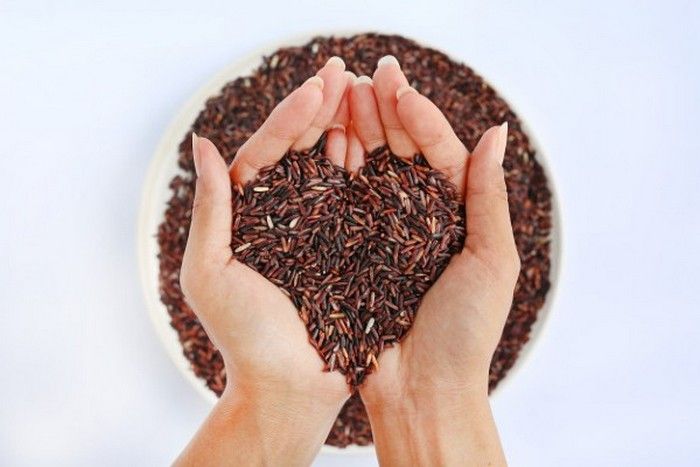
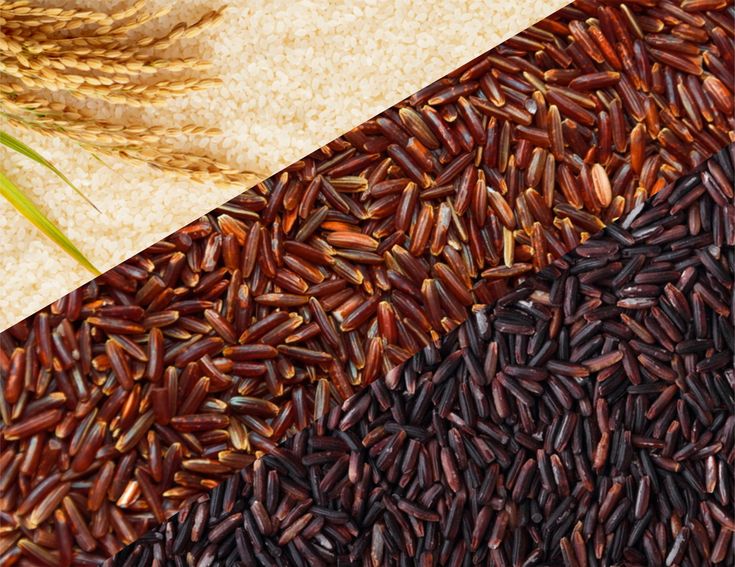
Brown rice is rice that has had only the outer husk removed, while retaining the bran and germ layers—where most beneficial nutrients are concentrated. In contrast, white rice undergoes extensive milling that removes these layers, significantly reducing its nutritional value.
2. Key Nutritional Value of Brown Rice
According to nutritional data, one cup of cooked brown rice contains:
- Higher dietary fiber content than white rice
- B vitamins, especially B1, B3, and B6
- Minerals such as magnesium, manganese, selenium, and phosphorus
- Antioxidants and beneficial phytochemicals
- Plant-based protein and complex carbohydrates
These components form the basis for many of the health benefits observed in scientific studies and reviews.
Benefits of Eating Brown Rice Regularly
1. Supports Blood Sugar Control and Reduces Diabetes Risk
Brown rice has a lower glycemic index than white rice due to its intact bran layer, which slows carbohydrate digestion. This helps:
- Slow glucose absorption
- Reduce post-meal blood sugar fluctuations
- Support insulin regulation and prevent rapid hunger
For this reason, brown rice is often recommended as a substitute for white rice in diets for people with prediabetes or those needing better blood sugar control.
2. Supports Cardiovascular Health
Brown rice is a good source of fiber, magnesium, and antioxidants—key factors in heart health:
- Fiber helps reduce “bad” LDL cholesterol
- Magnesium supports healthy blood pressure regulation
- Antioxidants reduce vascular inflammation and oxidative stress
Meta-analyses of multiple studies show that consuming whole grains like brown rice is associated with a significantly lower risk of cardiovascular disease.
3. Supports Weight Loss and Weight Management
Brown rice contains high fiber and complex carbohydrates, which help:
- Increase satiety
- Reduce between-meal cravings
- Lower total daily calorie intake
Clinical analyses indicate that replacing refined grains with whole grains such as brown rice may be associated with reduced body mass index (BMI) and waist circumference.
4. Improves Digestive Health
The fiber in brown rice helps:
- Stimulate intestinal movement
- Prevent constipation
- Support a balanced gut microbiota
Fiber also acts as a prebiotic, nourishing beneficial gut bacteria and contributing to optimal digestive function.
5. Provides Essential Vitamins, Minerals, and Antioxidants
Brown rice is rich in manganese, magnesium, selenium, and B vitamins, which are involved in:
- Energy metabolism
- Immune function
- Nervous system and musculoskeletal health
Antioxidants in the bran layer help reduce oxidative stress and chronic inflammation—factors linked to diseases such as heart disease, diabetes, and certain cancers.
Risks and Limitations of Eating Brown Rice Every Day
1. Digestive Difficulty in Sensitive Individuals
Because it retains the bran layer, brown rice is harder to digest than white rice. This may be challenging for people with weak digestion, older adults, or those recovering from illness. Chewing thoroughly and pairing with easily digestible foods is important.
2. Potential Arsenic Exposure
Rice can contain arsenic, an environmental toxin that tends to accumulate more in the bran layer retained in brown rice. Long-term exposure may pose health risks, particularly for sensitive groups such as children and pregnant women. Proper soaking and rinsing before cooking can help reduce arsenic levels.
Should You Eat Brown Rice Every Day? A Scientific Perspective
Brown rice can be eaten regularly, but it does not need to be consumed daily without variation. It is a valuable component of a healthy diet, but experts recommend:
✔ Diversifying whole grain sources
✔ Avoiding overreliance on a single food
✔ Adjusting intake based on individual health status, goals, and digestion
Nutritionists generally suggest including brown rice as part of a balanced diet with vegetables, protein, and healthy fats. Consuming brown rice 3–5 times per week may offer optimal benefits without overburdening the digestive system.
If you wish to maintain brown rice consumption but find cooking inconvenient or plain brown rice monotonous, convenient whole-grain products can be a practical alternative.
FATKO Black Sesame Brown Rice Tube Cakes – A Practical Choice for a Macrobiotic Lifestyle
Made from whole brown rice combined with nutrient-rich black sesame
A healthy snack format, easy to use daily
Suitable for light meals, snacks, and reducing refined carbohydrate intake
This product allows you to enjoy the benefits of brown rice in a more accessible and scientifically balanced way, while still preserving the advantages of whole grains.
Conclusion
Eating brown rice every day can be beneficial, but it is not mandatory nor suitable for everyone. Brown rice should be viewed as one part of a diverse, balanced, and healthy diet.
The key is moderation, proper preparation, and alignment with your individual physical condition. When consumed thoughtfully, brown rice—and products derived from it—can contribute meaningfully to long-term health and well-being.
main.comment_read_more