



5 Main Grains That Are Good for Your Health – Scientific Analysis and Effective Usage Methods
The five main healthy grains—oats, brown rice, quinoa, millet, and amaranth—provide a sustainable source of energy and are rich in fiber, vitamins, and minerals. This article scientifically analyzes their nutritional value, health benefits, and suggests ways to incorporate healthy grains into your daily diet.
Five Key Whole Grains for Better Health – Scientific Insights and Effective Ways to Use Them
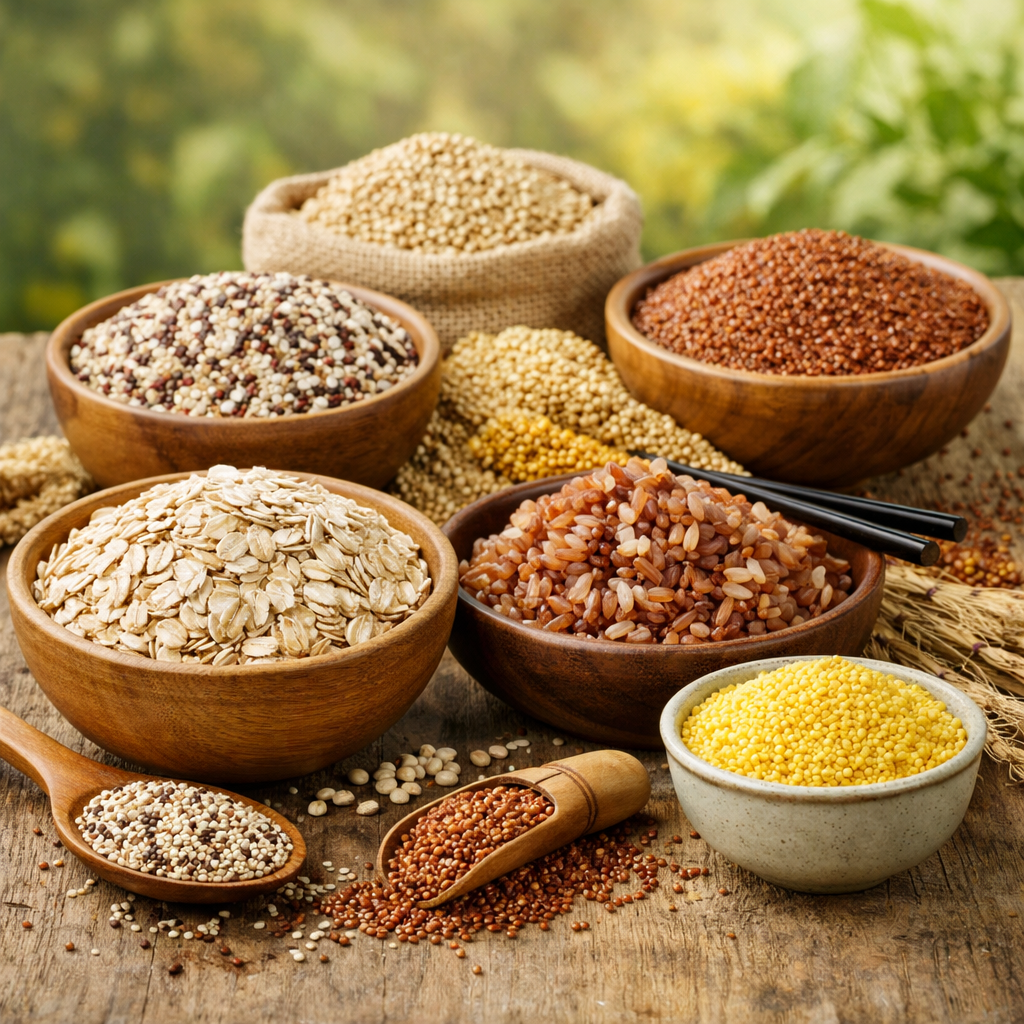
Grains are one of the core components of a balanced diet recommended by most health organizations worldwide. They provide energy, dietary fiber, essential vitamins, and minerals that support overall bodily functions. Modern consumers are increasingly prioritizing whole grains to promote cardiovascular health, regulate blood sugar levels, support digestion, and maintain a healthy body weight.
However, with the wide variety of grains available on the market, identifying which ones offer the greatest health benefits can be challenging. This article analyzes five key whole grains based on scientific research into their nutritional composition and health effects.
1. Grains and Their Role in Human Nutrition
Grains (cereal grains) are a primary source of carbohydrates, the body’s main energy fuel for physical activity and essential metabolic functions. They also provide plant-based protein, dietary fiber, B vitamins, and important minerals such as iron, magnesium, phosphorus, and zinc.
Regular consumption of whole grains has been associated with a reduced risk of chronic diseases, including cardiovascular disease, type 2 diabetes, and certain gastrointestinal cancers.
2. Characteristics of Whole Grains
Whole grains retain all three components of the grain kernel: the bran, germ, and endosperm. The bran and germ contain most of the fiber, vitamins, minerals, and bioactive compounds, making whole grains significantly more nutritious than refined grains.
Consistent intake of whole grains has been linked to improved digestive function, lower cholesterol levels, and better blood sugar control.
Five Key Whole Grains You Should Consider Including in Your Daily Diet
1. Oats
Oats are one of the most extensively studied grains in nutritional science. Their carbohydrates contain beta-glucan, a soluble fiber known for lowering LDL (“bad”) cholesterol and stabilizing post-meal blood glucose levels.
Key benefits:
- Supports cholesterol and insulin regulation
- Promotes satiety and aids weight management
- Provides B vitamins, vitamin E, and minerals such as magnesium
Oats are ideal for breakfast, porridge, or combined with fruits and nuts.
2. Brown Rice
Brown rice is a widely consumed whole grain that retains its nutrient-rich bran and germ layers. Compared to white rice, brown rice contains higher levels of fiber, vitamins, and minerals, supporting digestion and promoting slower increases in blood sugar after meals.
Key benefits:
- Provides steady and sustained energy
- Dietary fiber supports digestion and reduces constipation risk
- Vitamins and minerals enhance metabolic function
Beyond traditional steamed rice, brown rice can be used in salads, porridge, or whole-grain flour products.
3. Quinoa
Quinoa is a pseudo-cereal recognized for its exceptional nutritional profile, particularly its complete protein content, providing all nine essential amino acids required by the human body. This sets it apart from most other grains.
Key benefits:
- High-quality plant protein, suitable for vegetarians and plant-based diets
- Rich in antioxidants and minerals such as iron and magnesium
- Supports blood sugar stability and cardiovascular health
Quinoa can be prepared like rice, added to salads, or used as a substitute for traditional grains in various dishes.
4. Millets and Sorghum
Millets include small-seeded grains such as millet and sorghum, which are rich in fiber, protein, minerals, and B vitamins. These grains are often used as alternative carbohydrate sources in diversified diets.
Key benefits:
- Naturally gluten-free
- Supports blood sugar regulation
- Provides dietary fiber and natural antioxidants
- Millets can be cooked into porridge, added to salads, or used in bread and snack products.
5. Amaranth
Amaranth is an ancient grain valued for its high protein content and abundance of minerals such as iron, magnesium, and manganese. It is an excellent option for a balanced and nutrient-dense diet.
Key benefits:
- Higher protein content than many other grains
- Supplies dietary fiber and essential minerals
- Suitable for porridge, salads, or as a rice alternative
Overall Health Benefits of Whole Grains
Nutritional research consistently shows that regular consumption of whole grains is associated with multiple health benefits, including:
- Reduced risk of cardiovascular disease
- Improved blood sugar control
- Enhanced digestive function
- Lower risk of type 2 diabetes
- Effective weight management
- A broad supply of essential vitamins and minerals
Both soluble and insoluble fibers found in whole grains contribute to prolonged satiety and a healthy gut microbiota—key factors in digestive and immune health.
How to Incorporate Whole Grains into Daily Meals
To maximize the benefits of whole grains, you can:
- Add oats to your breakfast routine
- Use quinoa in salads and main dishes
- Incorporate millets or amaranth into porridge or side dishes
- Vary preparation methods to avoid monotony
A Convenient Option: FATKO Black Sesame Brown Rice Tube Snack
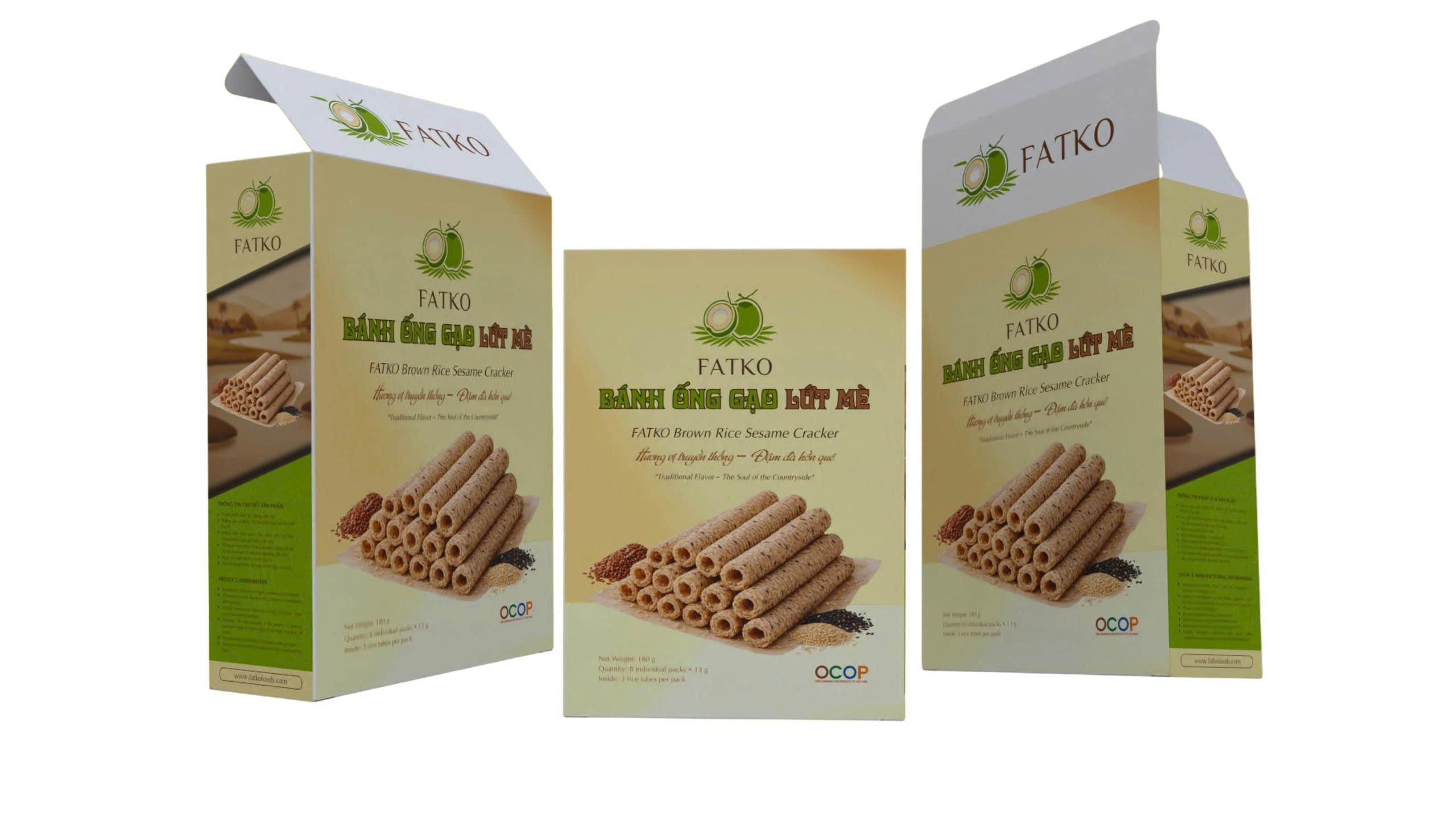
Preparing traditional whole grains is not always convenient in modern lifestyles. As a result, healthy grain-based products such as FATKO Black Sesame Brown Rice Tube Snacks offer a practical alternative.
- Made from whole-grain brown rice and roasted black sesame seeds
- Retain natural fiber and nutritional value
- Light, crispy texture suitable for snacks or between meals
- Help maintain regular whole-grain intake without complex preparation
Conclusion
Whole grains are an essential component of a healthy diet. The five key grains discussed—oats, brown rice, quinoa, millets, and amaranth—provide diverse nutrients and wide-ranging health benefits. When incorporated thoughtfully into daily meals, they can significantly improve digestion, blood sugar regulation, immune function, and cardiovascular health.
Start by gradually adding whole grains to your daily diet, combining them with a healthy lifestyle and convenient options such as FATKO Black Sesame Brown Rice Tube Snacks to maintain these positive habits in a sustainable way.
main.comment_read_more