



Macrobiotic Meal Plan for Beginners
A macrobiotic meal plan for beginners helps you eat scientifically, achieve nutritional balance, and easily incorporate it into your daily life. This article provides detailed guidance on macrobiotic principles, suggests a simple 7-day meal plan, and includes healthy nut-based baked goods suitable for those new to the practice.
A Beginner’s Macrobiotic Meal Plan: An Easy, Pressure-Free Roadmap to Healthy Living from the Very First Meal
Why Are More and More People Turning to Macrobiotics?
There is a very clear reality happening today:
more and more people feel tired even after eating, experience bloating and heaviness, rapid energy drops, dull skin, poor sleep, and a constant sense that their bodies are “running on empty.”
Many people start asking themselves:
- Why do I eat full meals yet still feel exhausted?
- Why does eating more “delicious” food make my body feel heavier?
- Is there a simpler, lighter, healthier way to eat that still provides enough nutrition?
From there, macrobiotics is no longer a concept only for vegetarians or people who are ill—it has gradually become a lifestyle choice for many modern individuals.
But the biggest challenge for beginners is this:
Where do I start? How do I eat properly? Do I have to follow strict restrictions?
If you are someone who:
- Has just heard about macrobiotics
- Wants to eat healthier but feels overwhelmed
- Doesn’t want to force your body or make sudden drastic changes
- Then this guide is for you.
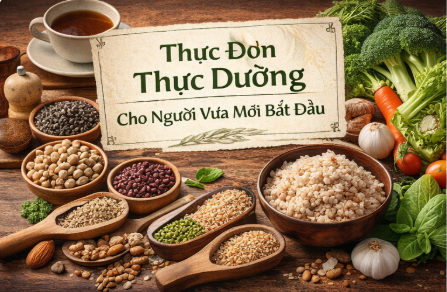
What Is Macrobiotics? Beginners Need to Understand This First
1. Macrobiotics Is Not Harsh Dieting
A very common misconception is:
Macrobiotics = bland food, eating less, suffering, giving up everything tasty.
The truth is the opposite.
Macrobiotics is a way of eating that:
- Prioritizes natural foods
- Minimizes highly processed ingredients
- Balances yin and yang
- Nourishes the body for the long term, not for quick weight loss or short-term trends
- People who follow macrobiotics don’t starve—they eat selectively.
2. What Do Beginners Really Need?
For beginners, the goal is not to change 100% overnight, but to:
- Gradually reduce processed foods
- Increase whole, natural foods
- Eat more simply
- Listen to the body’s signals
That’s why a beginner macrobiotic meal plan must be easy to follow, sustainable, and stress-free.
Principles for Building a Beginner Macrobiotic Meal Plan
1. The 80/20 Rule – Don’t Be Too Hard on Yourself
Beginners don’t need to eat 100% macrobiotic right away.
You can apply:
- 80% healthy foods
- 20% flexibility
- Simply reducing:
- Fried foods
- Refined sugar
- Soft drinks and industrial snacks
Already makes the body feel noticeably lighter.
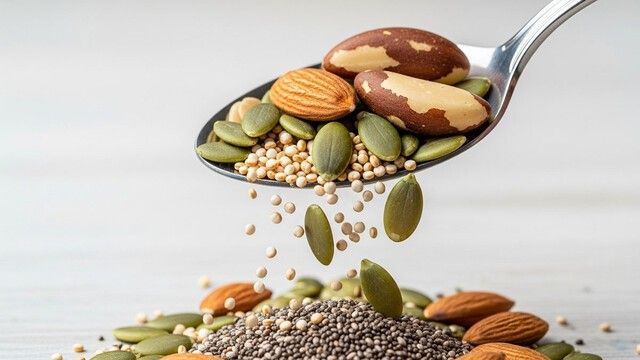
2. Prioritize Whole Grains
Whole grains are the foundation of macrobiotics:
- Brown rice
- Oats
- Beans and legumes
- Sesame seeds, chia seeds, cashews, almonds
They provide:
- Fiber
- Minerals
- Sustained energy
Longer satiety without the energy crashes of refined carbohydrates
3. Eat with Minimal Processing and Additives
Beginners should prioritize:
- Steaming
- Boiling
- Dry roasting
- Light grilling
Limit:
- Deep-fried food
- Heavy seasonings
- Industrial sauces
A 7-Day Beginner-Friendly Macrobiotic Meal Plan
Day 1 – Getting Acquainted
- Morning
Light oatmeal porridge
A little roasted sesame
Low-sugar fruit (apple, pear)
Lunch
Brown rice
Vegetable soup
Steamed tofu
Dinner
Boiled vegetables
Steamed sweet potato
Goal: let your digestive system adjust
Day 2 – Boosting Natural Energy
Morning
Roasted brown rice tea
A portion of mixed-seed cereal biscuits (grains – sesame – beans)
Lunch
Brown rice
Lightly stir-fried vegetables
Soft tofu
Dinner
Vegetable porridge
Mixed-seed biscuits help beginners avoid hunger and sugar cravings.
Day 3 – Digestive Balance
Morning
Ripe banana
Mixed-grain seed biscuits
Lunch
Brown rice noodles
Seaweed soup
Dinner
Steamed sweet potatoes
Boiled vegetables
Day 4 – Feeling Lighter
Morning
Herbal tea
Mixed-seed biscuits with roasted sesame
Lunch
Brown rice
Pumpkin soup
Lightly pan-seared tofu
Dinner
Brown rice porridge
Day 5 – Yin-Yang Balance
Morning
Oatmeal porridge
Roasted seeds
Lunch
Brown rice
Simmered vegetables
Dinner
Seaweed soup
Sweet potato
Day 6 – Light but Satisfying
Morning
Roasted brown rice tea
Mixed-seed biscuits (rich in grains and beans)
Lunch
Brown rice
Boiled vegetables
Steamed tofu
Dinner
Thin porridge
Day 7 – Listening to Your Body
Morning
Light fruit
Mixed-seed biscuits
Lunch
Your favorite dish, cooked simply
Dinner
Vegetable soup
After 7 days, most beginners notice:
A lighter stomach
Fewer sugar cravings
Better, deeper sleep
Why Are Mixed-Seed Biscuits Ideal for Macrobiotic Beginners?
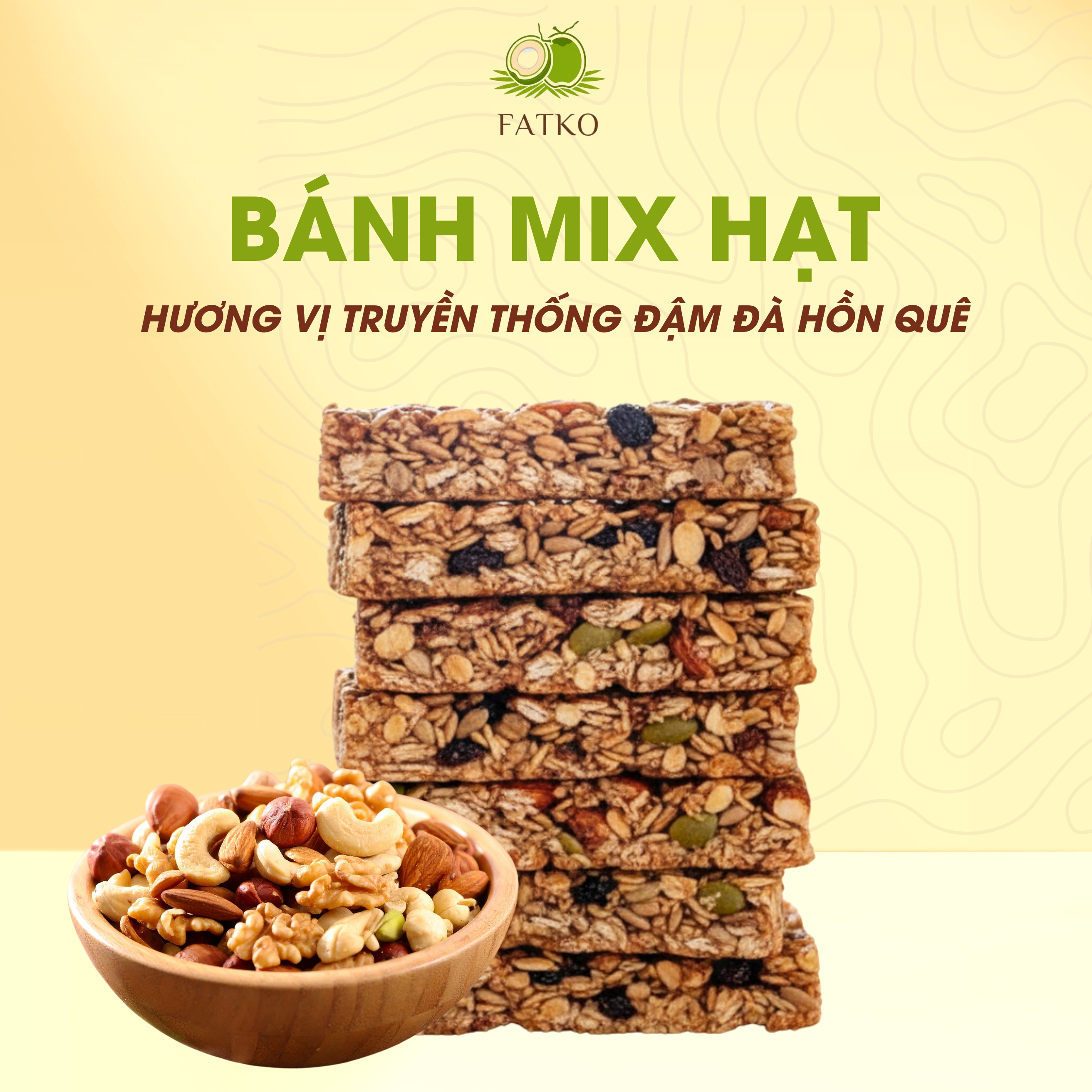
Beginners often face three common challenges:
- Getting hungry easily
- Craving sweets
- Lacking time for elaborate cooking
- Mixed-seed biscuits solve all three.
They are suitable because they:
Are made from grains, seeds, and beans
- Are lightly crunchy and easy to eat
- Keep you full longer
- Don’t feel heavy on the stomach
How to use them properly:
- In the morning
- Between meals
- As a replacement for industrial snacks
They act as a safe bridge between old eating habits and a macrobiotic lifestyle.
Macrobiotics Is Not About Sudden Change—It’s About Consistency
A beginner macrobiotic meal plan doesn’t need to be perfect. It only needs to be:
- Easy to prepare
- Easy to maintain
Make your body feel better each day
You don’t need to eat “perfectly” all the time.
Just eating a little healthier than yesterday means you’re on the right path.
And if you’re looking for something convenient, healthy, and beginner-friendly,
mixed-seed biscuits can be a gentle first step on your macrobiotic journey.
main.comment_read_more