



HOW TO EAT THE RIGHT WAY – A SCIENTIFIC GUIDE TO SUSTAINABLE HEALTH
Eating a proper macrobiotic diet is fundamental to achieving nutritional balance, improving digestion, and enhancing long-term health. This article provides scientific knowledge about the principles of macrobiotic eating, how to choose suitable grains, rice, and other foods, and suggests a convenient solution with FATKO rice crackers for a modern, healthy lifestyle.
How to Practice a Proper Macrobiotic Diet – A Scientific Guide to Sustainable Health
In a context where more and more people are concerned about health and the prevention of chronic diseases, the macrobiotic diet has emerged as a comprehensive approach to healthy eating. More than just a dietary regimen, macrobiotics is also considered a lifestyle that aims to optimize nutritional balance and support the body’s overall efficiency.
However, not everyone clearly understands what macrobiotics truly is or how to practice it correctly. Many beginners apply it improperly, leading to nutritional imbalances or misconceptions about its effects. This article provides a scientific, comprehensive, and practical perspective on how to follow a macrobiotic diet correctly to optimize long-term health.

1. What Is a Macrobiotic Diet?
Macrobiotics is a dietary and life-nourishing approach that emphasizes natural, whole, minimally processed foods and alignment with the body’s biological rhythms.
This method originates from the philosophy of yin–yang balance in foods, in which:
- Whole grains such as brown rice form the nutritional foundation
- Vegetables, legumes, seeds, nuts, and sea vegetables play key supporting roles
- Animal products, processed foods, and refined sugar are significantly limited
Macrobiotics is not solely based on nutrient composition but also emphasizes the principles of naturalness, simplicity, and balance in eating.
2. Goals of a Proper Macrobiotic Diet
A well-practiced macrobiotic diet aims to:
- Balance macronutrients and micronutrients (carbohydrates, protein, fats, vitamins, and minerals)
- Stabilize daily energy levels and support digestion
- Reduce the metabolic burden on the liver and digestive system by limiting processed foods
- Provide long-term support for cardiovascular, metabolic, and immune health
These goals align closely with the concept of a balanced diet for chronic disease prevention in modern nutritional science.
3. Fundamental Principles of Eating Macrobiotically
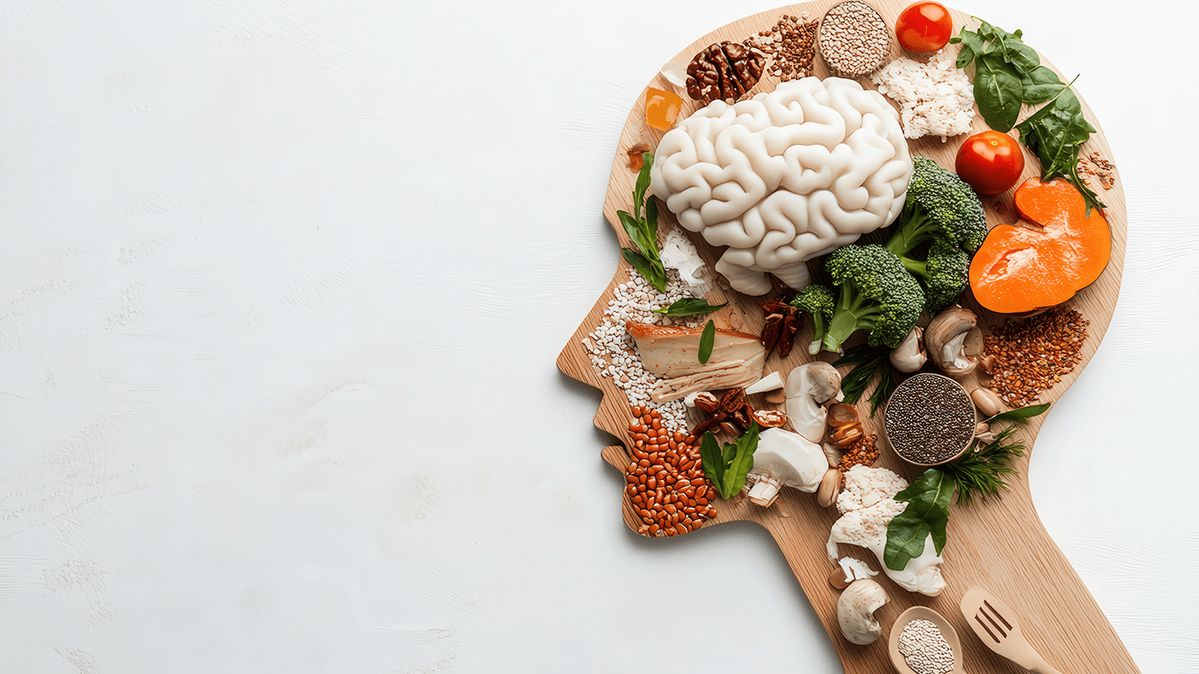
To practice macrobiotics correctly, several scientific principles should be followed.
a. Prioritize Natural, Whole-Grain Foods
Whole grains such as brown rice, barley, and quinoa are the foundation of the macrobiotic diet. Brown rice is often considered the central food because it:
- Contains a high level of dietary fiber
- Retains vitamins and minerals concentrated in the bran layer
- Digests slowly, helping stabilize blood sugar levels
This approach aligns with nutritional guidelines recommending whole grains to reduce the risk of cardiovascular disease and diabetes.
b. Minimal and Natural Food Preparation
Common macrobiotic cooking methods include:
- Steaming
- Boiling
- Simmering
- Dry roasting
Limiting deep-frying, excessive oils, and ultra-processed foods helps preserve natural nutrients and reduce inflammation-related compounds formed during cooking.
c. Eat Seasonally and Locally
The macrobiotic diet encourages choosing seasonal vegetables and locally grown foods to ensure freshness and alignment with the body’s natural cycles.
This approach is associated with improved nutrient quality, reduced digestive burden, and greater sustainability.
d. Balance Yin and Yang Foods
A traditional macrobiotic principle is balancing “yin” and “yang” foods, which are believed to cool or warm the body. Although this concept has not been fully validated by clinical research, it encourages overall dietary balance and moderation, helping maintain internal equilibrium.
4. Building a Scientifically Balanced Macrobiotic Meal Plan
A proper macrobiotic diet should include:
- Complex carbohydrates from whole grains
- Plant-based protein from legumes and seeds
- Healthy fats from natural plant oils
- Vitamins and minerals from vegetables and fruits
- Dietary fiber to support digestion and stable energy levels
Example of a one-day macrobiotic meal plan:
- Breakfast: Brown rice porridge with vegetables
- Lunch: Brown rice, stewed legumes, and vegetable salad
- Afternoon snack: Whole-grain cereal or fruit
- Dinner: Vegetable soup with tofu or soybeans
5. Health Benefits of Practicing Macrobiotics Correctly
a. Improved Digestion and Metabolism
Whole foods rich in fiber increase stool bulk and stimulate intestinal movement, supporting nutrient absorption and reducing constipation.
b. Weight and Blood Sugar Control
A diet rich in whole grains and vegetables helps stabilize post-meal blood sugar levels and reduce rapid hunger, supporting effective weight management.
c. Reduced Risk of Chronic Diseases
Nutritional studies indicate that diets high in whole grains and minimally processed foods are associated with a lower risk of:
- Cardiovascular disease
- Type 2 diabetes
- Hypertension
- Lipid metabolism disorders
6. Important Considerations to Avoid Nutrient Deficiencies
A properly practiced macrobiotic diet must ensure nutritional balance, as overly restrictive versions may lead to deficiencies in:
- Complete protein
- Calcium
- Iron
- Vitamin B12 (if animal products are excluded)
Such deficiencies can negatively affect bone health, immune function, and overall energy levels if not addressed through careful meal planning or supplementation.
7. Steps to Begin a Macrobiotic Diet Safely
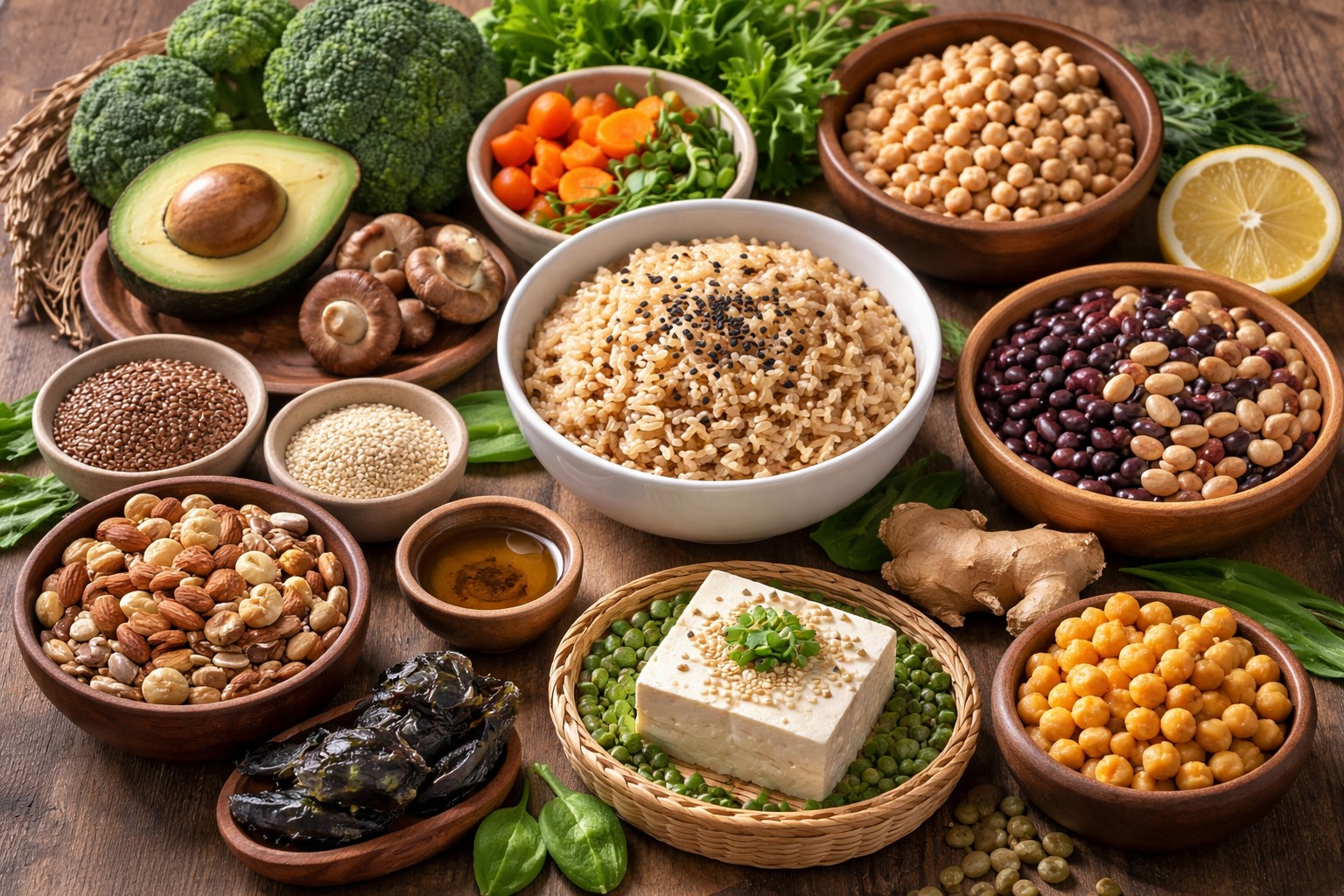
For beginners:
- Understand the principles and goals of macrobiotics
- Start with a diverse range of natural foods
- Avoid completely eliminating entire food groups for extended periods
- Monitor the body’s response over time
- Consult a nutrition professional if underlying health conditions exist
8. Practicing Macrobiotics with Convenient Grain-Based Products
In macrobiotics, whole grains such as brown rice are the nutritional foundation, but traditional cooking may not always fit modern lifestyles. In such cases, whole-grain products can be a practical solution.
FATKO Rice Tube Snacks are made from whole-grain rice, preserving the nutritional value of intact grains and processed in a suitable way for snacks or light meals.
- Retain natural dietary fiber
- Easy to eat and suitable for daily use
- Help maintain a flexible and sustainable macrobiotic eating habit
Conclusion
Practicing a macrobiotic diet correctly is not merely about changing food choices, but about building a balanced, natural eating system aligned with the body’s biological rhythms. When applied scientifically and nutritionally adequately, macrobiotics can offer long-term health benefits and improve quality of life.
Combining macrobiotic principles with convenient products such as FATKO rice tube snacks makes it easier to maintain a healthy eating lifestyle without excessive cooking time, especially for beginners.
main.comment_read_more