



What are the benefits of eating grains? The scientifically correct way to eat grains for good health.
Learn about "What are the benefits of eating grains? How to eat grains scientifically" to understand the health benefits of grains, such as supporting digestion, cardiovascular health, weight control, and preventing chronic diseases. This article guides you on how to choose and eat grains correctly, and suggests FATKO rice crackers as a healthy daily snack option.
What Are the Benefits of Eating Grains? Scientifically Sound Ways to Eat Grains for Holistic Health
Grains are one of the most fundamental foods in the human diet, having been consumed for thousands of years—from the earliest civilizations to the present day, where they remain an essential part of a healthy diet. However, not everyone clearly understands:
👉 What are the benefits of eating grains?
👉 What is the scientifically correct way to eat grains?
👉 Are grains suitable for everyone?
While many people eat grains every day, some do so simply for convenience, others based on recommendations from friends, without truly understanding the nutritional value and health benefits behind these tiny grains.
As the name suggests, grains are foods harvested from crops such as rice, wheat, oats, barley, and others. They are a primary source of energy in many food cultures around the world.
This article will help you:
- Understand the health benefits of grains
- Distinguish between whole grains and refined grains
- Learn scientifically sound ways to eat grains
- Discover how to incorporate them into a healthy diet—such as convenient snacks like FATKO whole-grain rice tube cakes
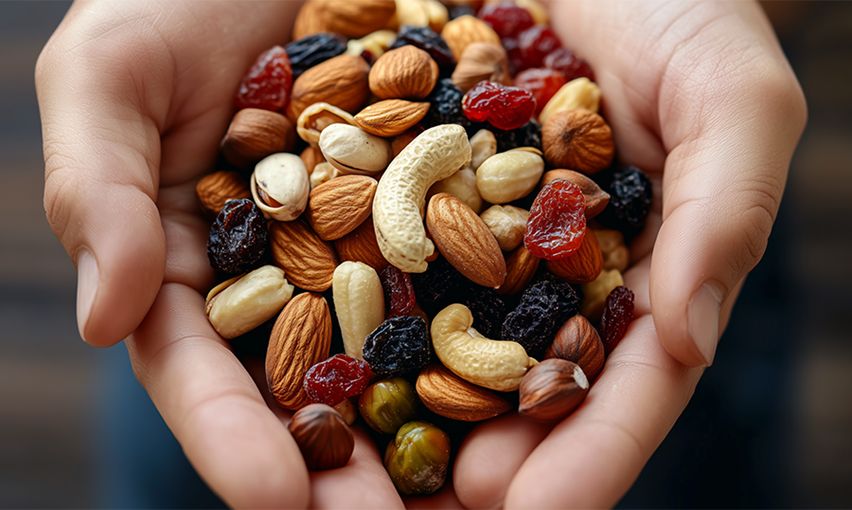
What Benefits Do Grains Provide for the Body?
1. What Are Grains? Classification
Grains are a general term for seeds harvested from cereal crops such as rice, oats, barley, quinoa, brown rice, and more. Whole grains retain all three components: the bran, the endosperm, and the germ. Compared to refined grains, whole grains contain significantly higher levels of fiber, vitamins, and minerals.
Key differences:
- Whole grains: retain fiber, vitamins, minerals, and beneficial plant compounds
- Refined grains: lose many nutrients due to the removal of the bran and germ
For this reason, nutrition experts recommend choosing whole grains as much as possible in the daily diet.
2. Key Nutrients in Grains and Their Health Effects
Grains contain many essential nutrients that the body needs:
✔ Dietary Fiber
Fiber in grains helps:
- Support digestion and prevent constipation
- Increase satiety and support weight control
- Stabilize blood sugar by slowing glucose absorption
Soluble fiber such as beta-glucan in oats can also help reduce LDL cholesterol, supporting heart health.
✔ Vitamins and Minerals
Whole grains provide B vitamins, vitamin E, and minerals such as:
- Magnesium (supports energy metabolism)
- Potassium (helps regulate fluids and blood pressure)
- Iron (supports oxygen transport)
✔ Plant-Based Protein
Although not the highest protein source, grains still provide plant protein that helps maintain muscle and overall body function.
✔ Phytochemicals and Antioxidants
Compounds such as polyphenols, stanols, and sterols found in grains help:
- Reduce inflammation
- Support the immune system
- Lower the risk of chronic diseases
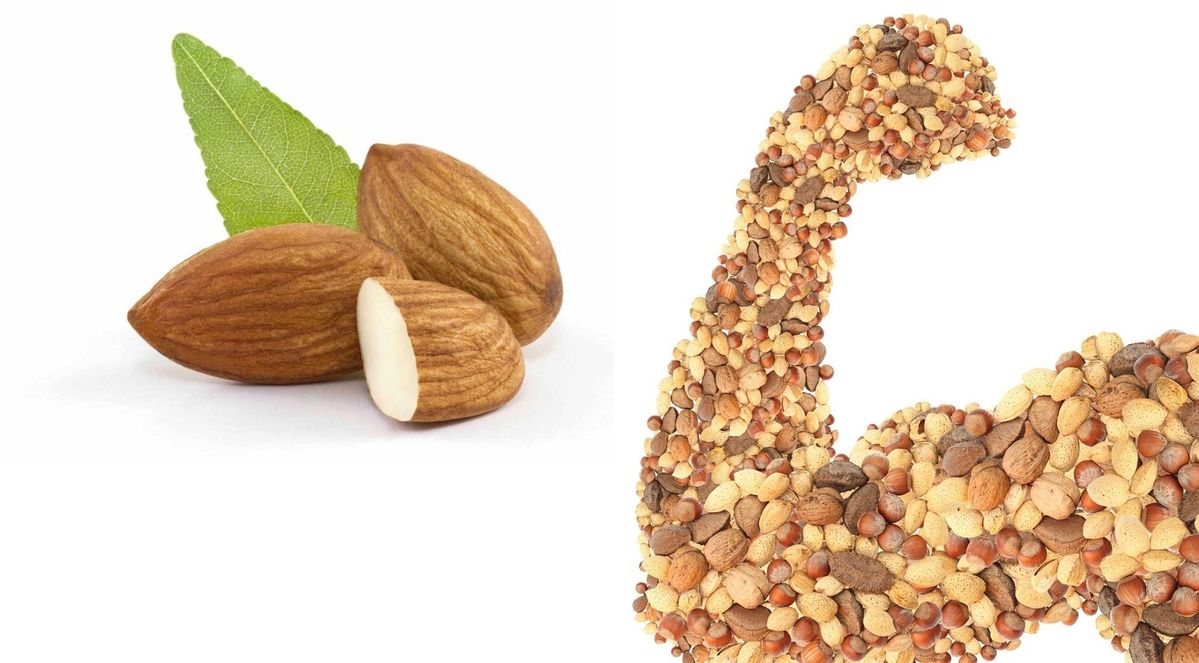
9 Key Benefits of Eating Grains Regularly
1. Supports Cardiovascular Health
Many studies show that consuming whole grains daily reduces the risk of cardiovascular disease. Fiber and plant compounds help:
- Lower LDL cholesterol
- Reduce blood pressure
- Improve blood vessel function
Research suggests that eating at least 2.5 servings of whole grains per day can significantly reduce cardiovascular events compared to low whole-grain intake.
2. Stabilizes Blood Sugar and Reduces Diabetes Risk
Whole grains slow carbohydrate absorption, helping the body control blood sugar more effectively than refined grains. This is especially beneficial for people with prediabetes or those aiming to prevent type 2 diabetes.
3. Promotes Healthy Digestion
Fiber in grains supports regular digestion and serves as “food” for beneficial gut bacteria, helping maintain a balanced gut microbiome.
A healthy digestive system means:
- Less constipation
- Better nutrient absorption
- Reduced bloating and indigestion
4. Reduces the Risk of Stroke and Chronic Diseases
Studies indicate that people who consume more whole grains have a lower risk of stroke and may reduce the risk of certain cancers due to fiber and antioxidant compounds.
5. Supports Effective Weight Management
Whole grains are excellent for maintaining a healthy weight because they:
- Increase satiety and reduce snacking
- Provide sustained energy and reduce sugar cravings
- This makes grains a key component of many evidence-based weight-management diets.
6. Provides Stable Energy
Grains are a source of complex carbohydrates, delivering slow, steady energy that helps maintain focus throughout the day and reduces mid-day fatigue.
7. Supports Bone Health and Brain Function
Minerals such as magnesium and selenium found in grains play roles in bone development and nervous system function. A grain-rich diet may help maintain cognitive health with age.
8. Reduces Inflammation
Plant compounds in grains have anti-inflammatory effects, helping reduce chronic inflammation—a factor linked to many serious diseases.
9. Increases Longevity
A diet rich in whole grains is associated with a lower risk of death from chronic diseases and overall mortality, contributing to a longer, healthier life.
How to Eat Grains the Scientifically Correct Way

To fully benefit from grains, it’s not just about eating more—it’s about eating them correctly.
1. Prioritize Whole Grains
Whole grains should be the top choice because they retain essential nutrients. When buying grain products, look for labels such as “whole grain” or “100% whole grain” to avoid refined products with low nutritional value.
2. Combine Grains with Protein and Vegetables
A balanced meal should include:
- Protein (meat, beans, nuts)
- Vegetables
- Grains
This helps:
- Maintain stable blood sugar
- Increase satiety
- Provide a wide range of nutrients
3. Limit Grains High in Sugar and Additives
Many processed grain products contain refined sugar, preservatives, and excess salt, which can reduce nutritional value and negatively impact health if consumed regularly.
4. Adjust Portions Based on Your Goals
Suggestions:
- Weight maintenance: prioritize whole grains with vegetables and protein
- Weight loss: reduce added sugars and fats in grain portions
- Higher energy needs: increase fiber and protein intake
FATKO Whole-Grain Rice Tube Cakes
When following a healthy diet, choosing the right snack between meals is essential to maintain energy without excess sugar or unhealthy fats.
👉 FATKO whole-grain rice tube cakes are a healthy snack option made from whole grains and natural nutritious seeds—perfect for a science-based eating approach and supporting your health goals.
They help you:
Increase fiber intake from grains
Feel full longer
Enjoy a mild, pleasant taste in a convenient, portable form
Whether as a mid-morning snack, an afternoon bite, or alongside a main meal, FATKO whole-grain rice tube cakes are a valuable part of a healthy lifestyle.
Eating grains the right way is not just about replacing one food group—it’s a long-term investment in your health.
main.comment_read_more