



9 Types of Grains That Are Extremely Good for Your Health – Everything You Need to Know
Discover 9 types of grains that are extremely good for your health and how to build a healthy, easy-to-follow macrobiotic menu for modern people. This article helps you understand the nutritional value of each type of grain, suggests ways to incorporate grains into your daily diet, and recommends FATKO multi-grain rice crackers as a satisfying and convenient snack option.
9 Super Healthy Whole Grains & Seeds – Everything You Need to Know
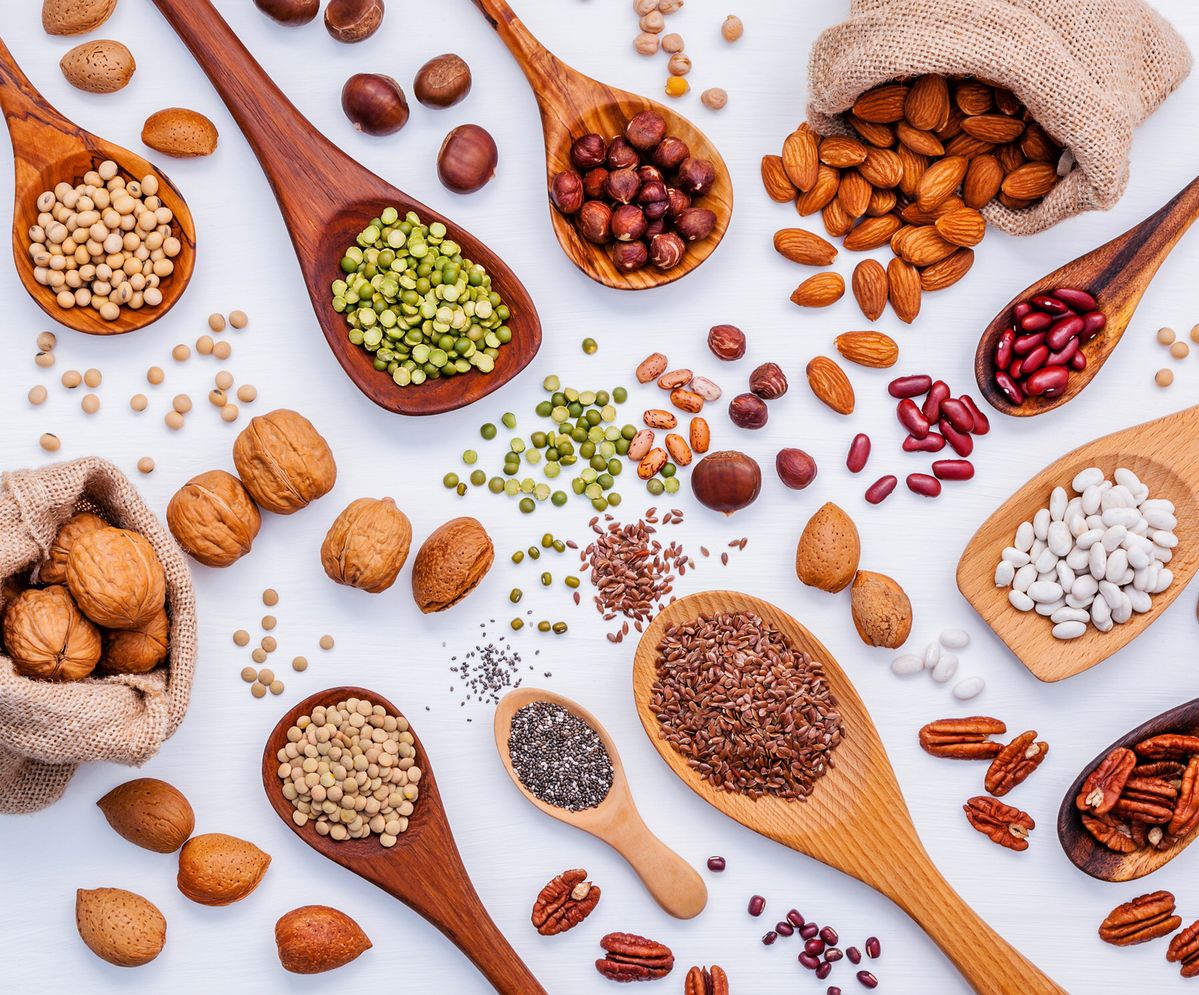
In today’s fast-paced lifestyle, surrounded by fast food and heavily processed meals, have you ever wondered:
Which grains are truly good for your health?
And how can you choose the right ones to supply complete nutrition, boost energy, support digestion, and help prevent chronic diseases?
The answer lies in whole grains and nutritious seeds — a group of “superfoods” everyone should include in their daily diet.
Not all grains are created equal. Some are especially rich in fiber, protein, vitamins, and minerals, helping your body stay strong from the inside out.
In this article, you’ll discover 9 extremely healthy grains and seeds that should be used regularly in a balanced diet — from breakfast to mid-day snacks.
What Are Grains and Why Are They Important?
Grains are edible seeds of cereal plants that contain complex carbohydrates, fiber, plant-based protein, and essential micronutrients. When the bran and germ are kept intact — meaning whole grains — they deliver far more health benefits than refined grains.
Studies show that eating whole grains can:
- Support digestion thanks to high fiber content
- Stabilize blood sugar and help prevent diabetes
- Reduce the risk of cardiovascular disease
- Support weight management through essential phytonutrients and minerals
When whole grains are combined thoughtfully in meals and snacks, they provide long-lasting energy and help prevent mid-day energy crashes — a key factor in maintaining a healthy lifestyle.
9 Healthy Grains You Should Know and Use Regularly
1. Oats
Oats are one of the most popular whole grains thanks to their impressive nutrition profile:
- Rich in soluble fiber that helps reduce LDL cholesterol
- Contains beta-glucan to support digestion
- Higher protein content than many other grains
A single bowl of oats provides fiber and essential minerals for daily body function.
How to use: oatmeal, smoothies, or mixed with fresh fruit.
2. Brown Rice
Brown rice retains its bran and germ, making it rich in:
- Fiber
- B-group vitamins
- Magnesium, iron, and natural minerals
Compared to white rice, brown rice keeps you full longer and supports stable digestion.
Often used as a healthier substitute for white rice in daily meals.
3. Sorghum
Sorghum is a grain rich in complex carbohydrates that is easy to digest and provides:
- Sustained energy
- Long-lasting fullness
- Essential minerals
Research suggests sorghum may help stabilize blood sugar levels and support weight control.
4. Buckwheat
Despite its name, buckwheat is gluten-free and considered a “complete protein” grain because it:
- Contains essential amino acids
- Is rich in plant protein and fiber
- Supports heart health and digestion
In traditional Eastern medicine, buckwheat has long been used to support chronic health conditions.
5. Quinoa
Quinoa contains all 9 essential amino acids, making it a complete plant-based protein source. It is also rich in:
- Magnesium and potassium
- B-group vitamins
- Fiber and minerals
Quinoa is ideal for vegetarians or anyone seeking a high-protein, gluten-free diet.
It can be used in salads, soups, or as a rice alternative.
6. Muesli
Muesli is a blend of grains such as oats, whole wheat, chia seeds, and dried fruit. It provides abundant fiber, vitamins, and minerals, making it perfect for breakfast.
Best enjoyed with yogurt or plant-based milk for enhanced nutrition.
7. Granola
Granola is made from oats, seeds, and dried fruit, offering a crunchy texture and higher energy content. When chosen carefully, it can be a great source of healthy fats, protein, and minerals.
Tip: Choose low-sugar versions with minimal additives, or make your own at home.
8. Barley
Barley is rich in soluble beta-glucan fiber, which helps:
- Stabilize blood sugar levels
- Support heart health
- Improve gut bacteria balance
- Barley works well in soups, salads, and stews.
9. Millet
Millet is an easy-to-digest grain that contains:
- Fiber for digestive support
- B-group vitamins
- Minerals that help maintain energy levels
It’s an excellent choice for a balanced diet and overall health improvement.
Health Benefits of Eating Whole Grains Regularly
Whole grains retain the bran, germ, and endosperm, preserving their fiber, vitamins, and minerals.
✔ Digestive health & weight support
Fiber promotes fullness, reduces cravings, and helps maintain a healthy weight.
✔ Better heart health
Research shows whole grains help lower cholesterol and reduce heart disease risk.
✔ Stable blood sugar
Whole grains slow glucose absorption compared to refined carbohydrates.
✔ Long-term health support
A combination of vitamins, minerals, and antioxidants helps sustain overall body function.
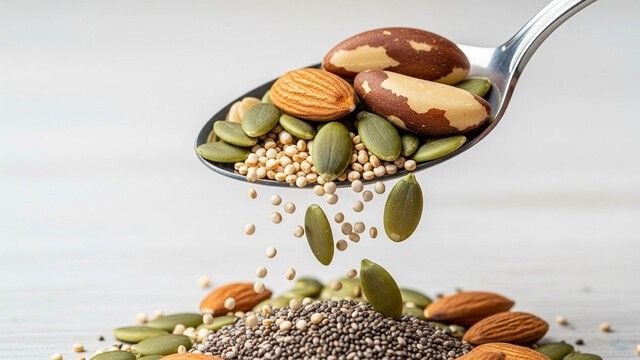
How to Use Grains the Right Way
Grains are incredibly healthy, but they deliver maximum benefits only when used correctly. Many people start eating grains to improve health but choose the wrong types or combinations.
Below are key principles to help you eat grains correctly, sufficiently, and healthily — especially for beginners in a wholesome diet.
Choose Whole Grains Over Refined Grains
Whole grains (brown rice, whole oats, quinoa, barley, millet) retain the bran and germ, which contain fiber, B vitamins, minerals, and antioxidants.
Refined grains lose most nutrients and can:
- Spike blood sugar
- Cause quick hunger
- Be unsuitable for long-term healthy eating
For beginners, transition gradually by alternating white rice with brown rice to help the body adapt.
Combine Grains with Vegetables and Protein
Grains provide energy but should not be eaten alone.
Suggested combinations:
Grains + vegetables → more fiber and better digestion
Grains + plant protein (beans, seeds, sesame) → balanced nutrition
Grains + healthy fats (sesame, cashews, walnuts) → longer satiety
This helps meals feel satisfying without blood sugar spikes.
Limit Products High in Sugar and Additives
Not all “grain-based” products are healthy. Many snacks contain:
- Refined sugar
- Artificial flavors
- Colorings and additives
Choose products with:
- Simple ingredients
- Low sugar
- Clear origins
This is why products like whole-grain rice tube snacks, made from rice and familiar legumes, are increasingly popular in modern wholesome diets.
Vary Your Meals to Avoid Boredom
Healthy eating doesn’t have to be repetitive. Grains are versatile and easy to prepare in many ways—just change the cooking method to enjoy a new dish.
FATKO Whole-Grain Rice Tube Snacks – A Healthy Grain-Based Snack for Everyone

Looking for a convenient way to add grains to your daily diet?
FATKO Whole-Grain Rice Tube Snacks are the perfect choice:
- Made from pure whole grains and seeds
- Naturally flavorful, not overly sweet
- Ideal as a daily snack within a healthy diet
- Helps you stay full while supplying fiber and grain-based nutrition
Try them today and feel the difference — for natural, everyday wellness.
Whole grains and nutritious seeds are essential if you want a healthy diet rich in fiber, vitamins, and natural minerals. From oats and brown rice to quinoa, muesli, and barley, each offers unique benefits that support overall health.
Start with healthier grain choices today — and don’t forget to add FATKO whole-grain rice tube snacks to your daily menu for a convenient, nutritious snack that truly supports your well-being.
main.comment_read_more