



Is eating brown rice regularly good for your health?
Eating brown rice regularly offers numerous health benefits thanks to its high fiber content, B vitamins, and natural minerals. This article provides a scientific perspective on the effects of brown rice, who should and shouldn't consume it, how to eat it correctly for optimal absorption, and suggests FATKO black sesame brown rice wafers as a convenient and healthy daily option.
Why Are More and More People Switching to Brown Rice?
In recent years, brown rice has appeared more frequently in eating patterns described as “healthy,” “macrobiotic,” or “clean eating.” Beyond being popular among vegetarians, people aiming for weight loss, or those who exercise regularly, brown rice is also recommended in many nutrition resources as a beneficial whole grain for health.
Along with its growing popularity, however, come many questions:
- Is eating brown rice regularly really good for your health?
- Should white rice be completely replaced with brown rice?
- Is brown rice suitable for everyone?
- Can eating brown rice the wrong way harm digestion?
This article provides a scientific and systematic analysis based on modern nutritional knowledge to help you clearly understand whether eating brown rice regularly is good for your health—and how it can be beneficial when used correctly.
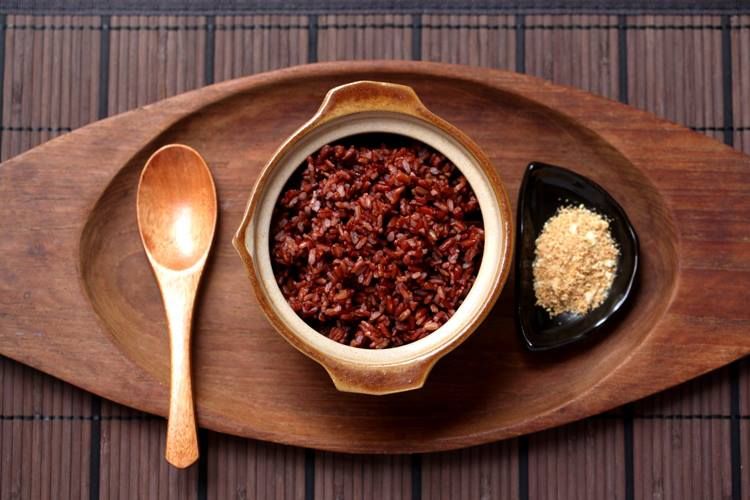
An Overview of Brown Rice from a Nutritional Science Perspective
1. What Is Brown Rice?
Brown rice is rice with only the outer husk removed, while the bran and germ layers remain intact. This is the most important difference between brown rice and white rice.
During the milling process that produces white rice, most of the following are removed:
- Dietary fiber
- B vitamins
- Minerals
- Antioxidant compounds
Brown rice, by contrast, is classified as a whole grain. Whole grains are widely recommended by the World Health Organization (WHO) and many nutrition associations for regular consumption.
2. Nutritional Composition of Brown Rice
Nutritional analyses show that brown rice contains:
- 3–4 times more fiber than white rice
- B vitamins (B1, B3, B6)
- Minerals such as magnesium, manganese, selenium, and phosphorus
- Natural antioxidants (phenolic compounds)
- Complex carbohydrates that are digested more slowly
This nutritional structure gives brown rice physiological effects that are distinctly different from refined carbohydrates.
Health Benefits of Eating Brown Rice Regularly
1. Supports Blood Sugar Control
One of the most frequently mentioned benefits of brown rice is its ability to help control blood sugar levels.
Compared to white rice:
- Brown rice has a lower glycemic index (GI)
- Glucose digestion and absorption occur more slowly
- The risk of sudden post-meal blood sugar spikes is reduced
This is particularly beneficial for:
- People with prediabetes
- Individuals at risk of metabolic disorders
- Those who need stable energy levels throughout the day
2. Positive Effects on Cardiovascular Health
Many epidemiological studies show that diets rich in whole grains are associated with:
- Reduced LDL cholesterol levels
- Improved blood pressure
- Lower risk of cardiovascular disease and stroke
Brown rice provides:
- Soluble fiber that helps eliminate cholesterol
- Magnesium, which supports heart rhythm and blood pressure regulation
- Antioxidants that help reduce chronic inflammation
When consumed regularly as part of a balanced diet, brown rice can play a positive role in protecting heart health.
3. Supports Weight Management
Brown rice is not a “weight-loss food” in an absolute sense, but it can support weight control through several mechanisms:
- Increased satiety due to high fiber content
- Slower eating and reduced total food intake
- More stable energy levels, helping reduce cravings
Compared with refined carbohydrates, brown rice helps people feel full longer, which can support better control of total daily energy intake.
4. Improves Digestive Function
The insoluble fiber in brown rice helps:
- Increase stool bulk
- Stimulate intestinal movement
- Support the prevention of constipation
However, these benefits are achieved only when:
- Brown rice is eaten in appropriate amounts
- Adequate water is consumed
- It is avoided when the digestive system is weak or sensitive
5. Contributes to the Prevention of Certain Chronic Diseases
Observational studies suggest that diets rich in whole grains are associated with:
- Reduced risk of type 2 diabetes
- Lower risk of obesity
- Reduced risk of certain digestive tract cancers
While brown rice is not a “cure,” it can be considered an important supportive component of a healthy lifestyle.
Common Misconceptions About Eating Brown Rice
1. The More Brown Rice You Eat, the Better
This is a common misconception. Because brown rice is high in fiber, excessive consumption may lead to:
- Bloating
- Digestive discomfort
- Reduced absorption of certain minerals if the diet is unbalanced over time
2. Brown Rice Is Suitable for Everyone
Not everyone should eat brown rice frequently, especially:
- People with weak digestion
- Those recovering from illness
- Elderly individuals with reduced chewing ability
In these cases, brown rice should be prepared properly or consumed in processed forms that are easier to digest.
How to Eat Brown Rice for Optimal Health

1. Scientific Principles for Using Brown Rice
- Do not completely replace white rice for long periods
- Alternate brown rice with other carbohydrate sources
- Combine brown rice with vegetables and protein
- Chew thoroughly and eat slowly
2. Diversify the Ways You Consume Brown Rice
Beyond cooked rice, brown rice can be used in many forms:
- Brown rice porridge
- Brown rice noodles or vermicelli
- Brown rice-based cakes and snacks
Diversifying helps reduce digestive strain and makes it easier to maintain the habit of eating brown rice long-term.
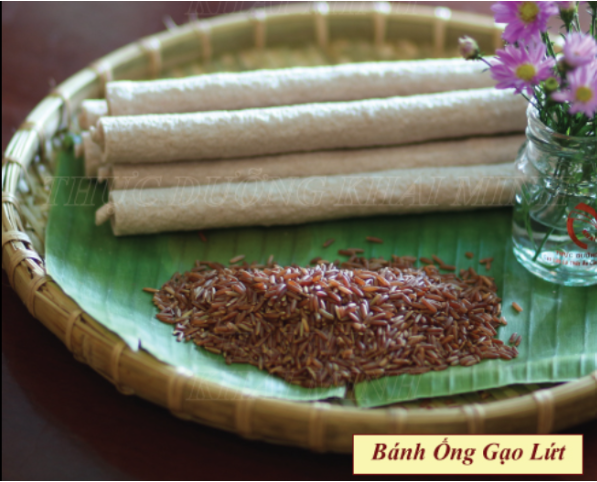
3. A Convenient Option: FATKO Black Sesame Brown Rice Tube Cakes
For people who:
- Want to eat brown rice regularly
- Lack time for cooking
- Or find brown rice difficult to eat as plain rice
FATKO black sesame brown rice tube cakes are a suitable option:
Made from brown rice combined with roasted black sesame
Easier to enjoy than traditional brown rice meals
Suitable as a light meal or healthy snack
This product helps consumers approach brown rice in a gentle, sustainable way—especially for beginners.
Conclusion
Eating brown rice regularly can provide many health benefits when used correctly, for the right individuals, and as part of a balanced diet. Brown rice is not a “miracle food,” but it is a scientifically sound choice within the whole grain food group.
Choosing the right form of consumption—from cooked brown rice to processed products like FATKO black sesame brown rice tube cakes—can help you maintain healthy eating habits in a sustainable, safe, and effective way.
main.comment_read_more